Ranges and Cooktops: Compare Types, Fuel, and Fit
The first decision is whether the kitchen needs a combined range or a separate cooktop and wall oven. The second is which cooking technology - induction, radiant electric, or gas - fits the home's utilities, cookware, ventilation, and cooking habits.
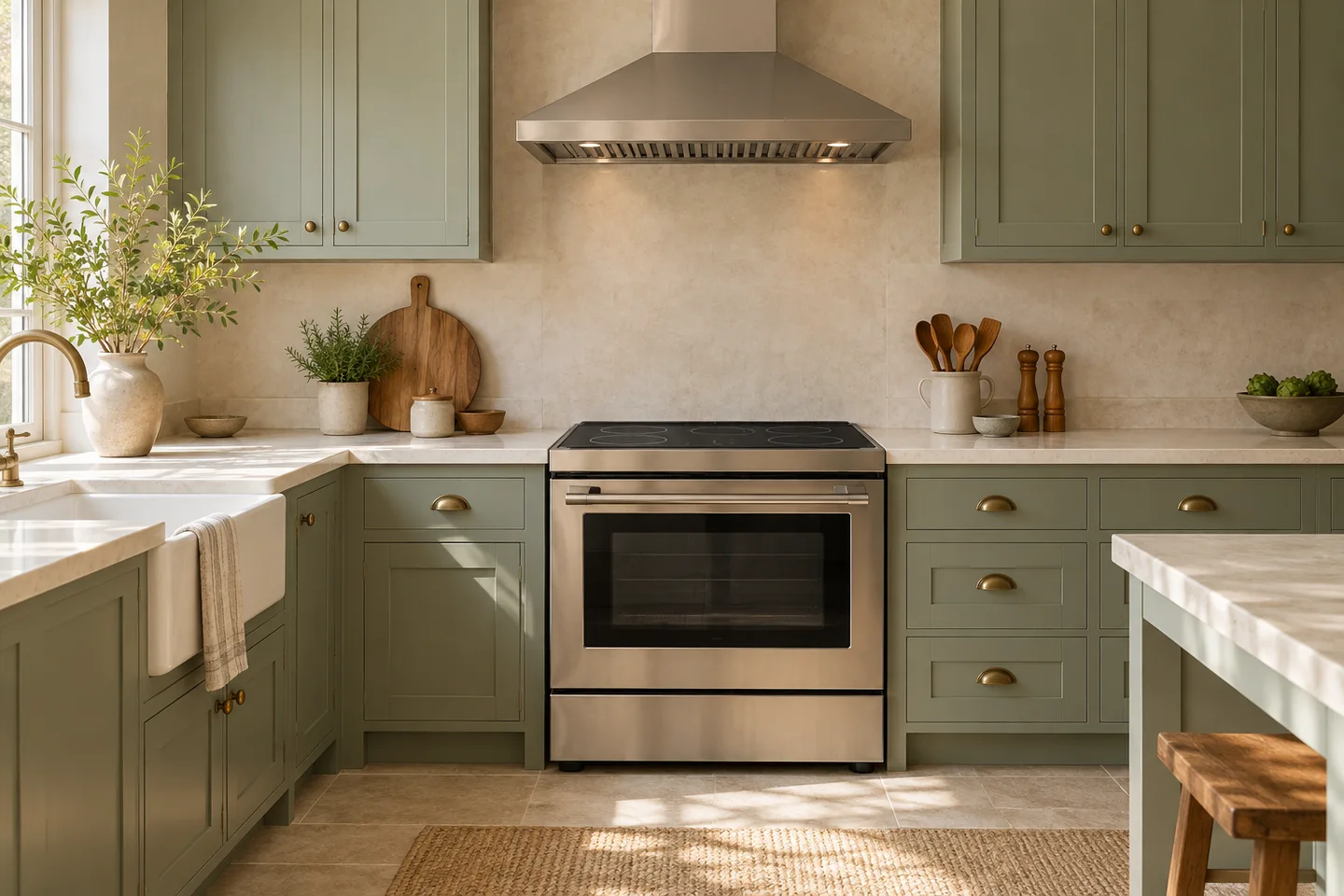
What We Recommend
We favor an induction range when the kitchen has suitable electrical service and the household's cookware is compatible. Induction responds quickly, transfers energy efficiently to cookware, and avoids gas-burner combustion emissions. A combined range also fits the typical all-in-one cooking layout without a separate wall-oven cabinet. Before choosing it, check the circuit, cookware, and glass-surface care requirements.
Choose a radiant electric range for a straightforward replacement when it matches the existing electric connection and its complete installed quote fits your budget better than the alternatives. It accepts ordinary flat-bottomed cookware, though its elements retain heat and respond more slowly than induction.
Choose a separate cooktop and wall oven when remodeling cabinets, placing the oven at a comfortable height, or creating distinct stations for two cooks. The advantage is the layout, not automatically better cooking performance.
Consider gas if the home has an approved connection, the cook prefers a visible flame, and outdoor-vented exhaust is available. Gas combustion releases pollutants that electric cooktops do not emit at the burner.
Ranges and Cooktops at a Glance
| Configuration | Best for | What you get | Main tradeoff |
|---|---|---|---|
| Induction range | New installations with suitable electric service | Induction cooktop and electric oven in one unit | Compatible cookware and model-specific electrical needs |
| Radiant electric range | Replacement of an existing compatible electric range | Conventional smoothtop and electric oven | Slower heat response and a hot glass surface after cooking |
| Induction cooktop + separate electric wall oven | Kitchen remodels, flexible work zones, easier oven access | Independent cooking surface and oven locations | Two appliance installations and cabinet modifications |
| Gas range | Existing gas-ready kitchens and cooks who want a flame | Gas burners and generally a gas oven | Combustion pollutants, ventilation and gas-connection requirements |
| Dual-fuel range | Gas burners with an electric oven | Gas cooktop and electric oven in one appliance | Both fuel supplies; potentially costly installation |
Cooktop technology does not determine baking accuracy, reliability, or value. Consumer Reports tests these characteristics on individual models and has found that a higher price does not consistently mean better performance.
Best Choice for Different Needs
| Your priority | Our recommendation | Check before buying |
|---|---|---|
| All-in-one upgrade with suitable electric service | Induction range | Circuit, cookware, controls, service availability |
| Straightforward replacement for an electric range | Radiant electric range | Width, depth, cord, outlet and oven capacity |
| Existing gas line; avoid major rewiring | Gas range | Outdoor-vented hood, gas shutoff, installation rules |
| Remodel with room for two cooking stations | Induction cooktop + wall oven | Counter cutout, oven cabinet, separate circuits |
| Comfortable oven loading height | Wall oven paired with a cooktop | Accessible installation height and door swing |
| Flame cooking plus electric baking | Dual-fuel range | Gas supply and the exact model's electrical requirements |
| Household with young children | Induction, with controls and lock features assessed | Residual heat, pan handles, anti-tip bracket on ranges |
| Frequent boiling or responsive simmering | Induction cooktop or induction range | Performance of the specific burners and cookware |
| Lowest disruption in a rental or fixed kitchen | Match the existing approved appliance type | Landlord approval and exact hookup and fit |
| Large-family baking and simultaneous dishes | Range with an appropriately sized oven, or separate wall ovens | Usable rack space, cavity dimensions and oven-test results |
Existing utility service and the installation requirements of the chosen model can change which option makes sense.
Induction Range - For a Responsive All-Electric Kitchen
An induction range combines a magnetic induction cooktop with an electric oven. The cooktop generates heat directly in compatible cookware rather than heating a surface element first. We recommend this configuration for cooks who want quick temperature response and a single-appliance layout, provided the electrical connection is suitable.
Induction Range: Key Facts
| Attribute | What to know |
|---|---|
| Appliance layout | Cooktop and oven in one appliance |
| Cooktop fuel/technology | Electric induction |
| Oven | Electric; modes and measured baking performance vary by model |
| Common width | 30 inches, but verify the actual product dimensions |
| Cookware | Flat-bottomed, magnetic-compatible cookware |
| Electrical service | Model-specific high-power supply; have the connection verified before ordering |
| Best fit | New range purchase or an electric-range replacement with compatible service |
ENERGY STAR explains that a magnet sticking firmly to the bottom of a pot is a useful first screen for induction compatibility. Some stainless steel cookware is magnetic and some is not. The cooktop's glass can still become hot from a heated pan, so induction must not be treated as burn-proof.
Why Choose Induction?
ENERGY STAR reports that approximately 85% of heating energy reaches the cookware with induction, compared with about one-third for gas in the cited comparison. This concerns cooking-energy transfer, not the percentage saved on a utility bill: local rates, usage and oven operation affect the total. Induction also avoids gas-combustion pollutants at the burner.
Limitations
- Induction will not heat nonmagnetic cookware, including ordinary aluminum or copper pans without an induction-compatible base.
- A house without adequate electrical service may require electrical work, and the project cost can eclipse any operating savings.
- Glass-ceramic tops need suitable cleaning and care; cookware movement and impacts can damage them.
- Touch controls, burner size, power sharing and low-heat behavior are model-specific; test the user interface in person when possible.
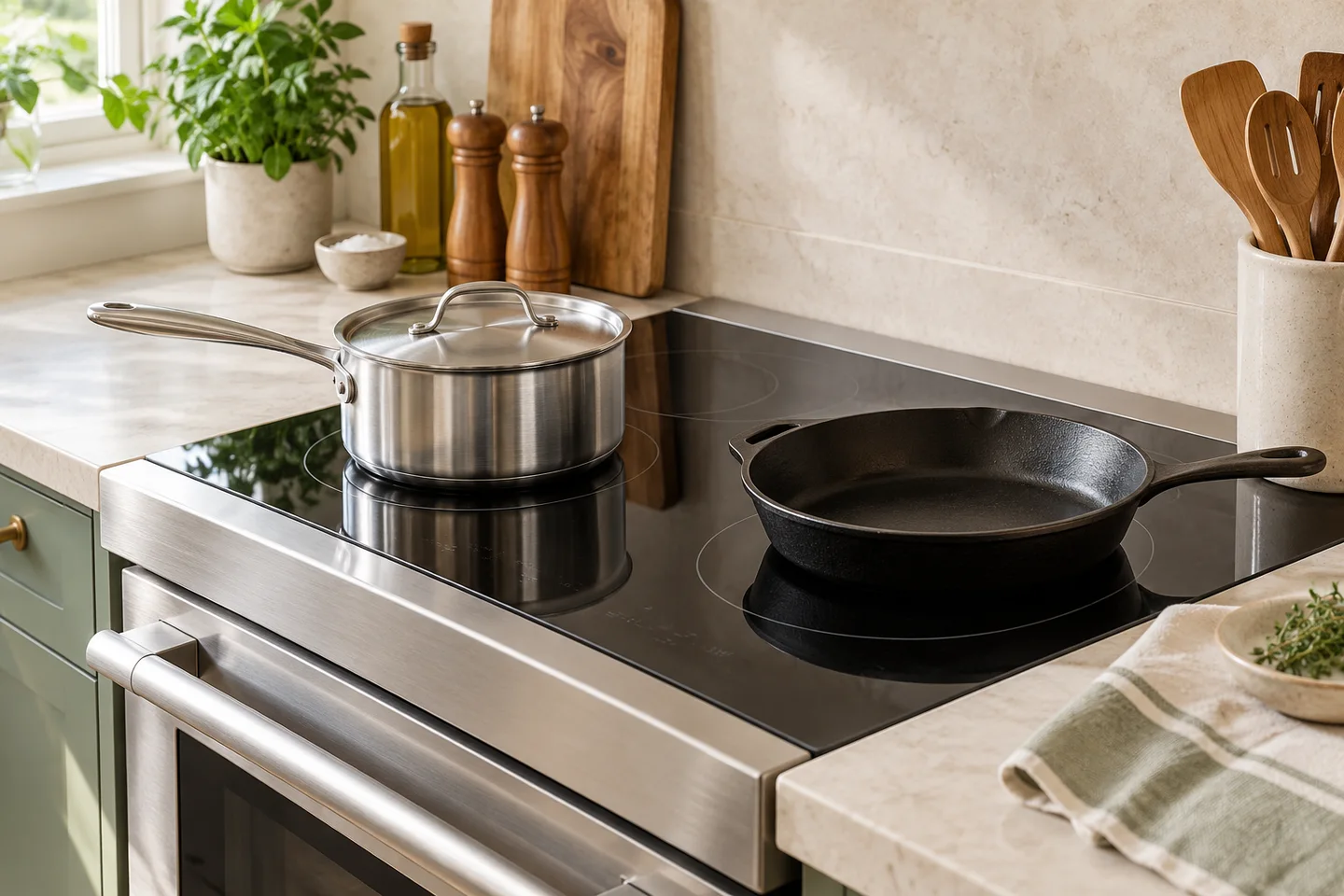
Radiant Electric Range - For a Straightforward Electric Replacement
Radiant electric elements heat beneath a smooth glass-ceramic surface, which transfers heat into the pan. The familiar controls and broad cookware compatibility make this our pick for replacing an existing compatible electric range when fast temperature response is not the priority. Radiant and induction cooktops can look similar when switched off, but they heat differently.
Radiant Electric Range: Key Facts
| Attribute | What to know |
|---|---|
| Appliance layout | Cooktop and oven in one appliance |
| Cooktop fuel/technology | Electric radiant elements beneath glass-ceramic |
| Oven | Electric; conventional and convection variants exist |
| Common width | 30 inches; confirm product dimensions |
| Cookware | No magnetic base required; flat, stable bottoms work best |
| Electrical service | Model-specific electric-range connection; verify voltage and circuit capacity |
| Best fit | Replacement of an existing compatible electric range |
When Radiant Electric Makes Sense
Radiant electric needs no magnetic cookware and provides a continuous surface that can be wiped after it cools. When the existing electrical service and space match the replacement model, the change may require no cabinet work. Compare actual prices rather than assuming a radiant model is always cheaper than an induction model.
Limitations
- Heating elements and the glass retain substantial heat after a burner is turned down or switched off.
- Fine temperature adjustments are less immediate than induction; residual heat affects delicate cooking.
- Spills can bake onto hot glass, and the surface can scratch or crack.
- Burner layout and oven quality still vary enough to require model-level research.
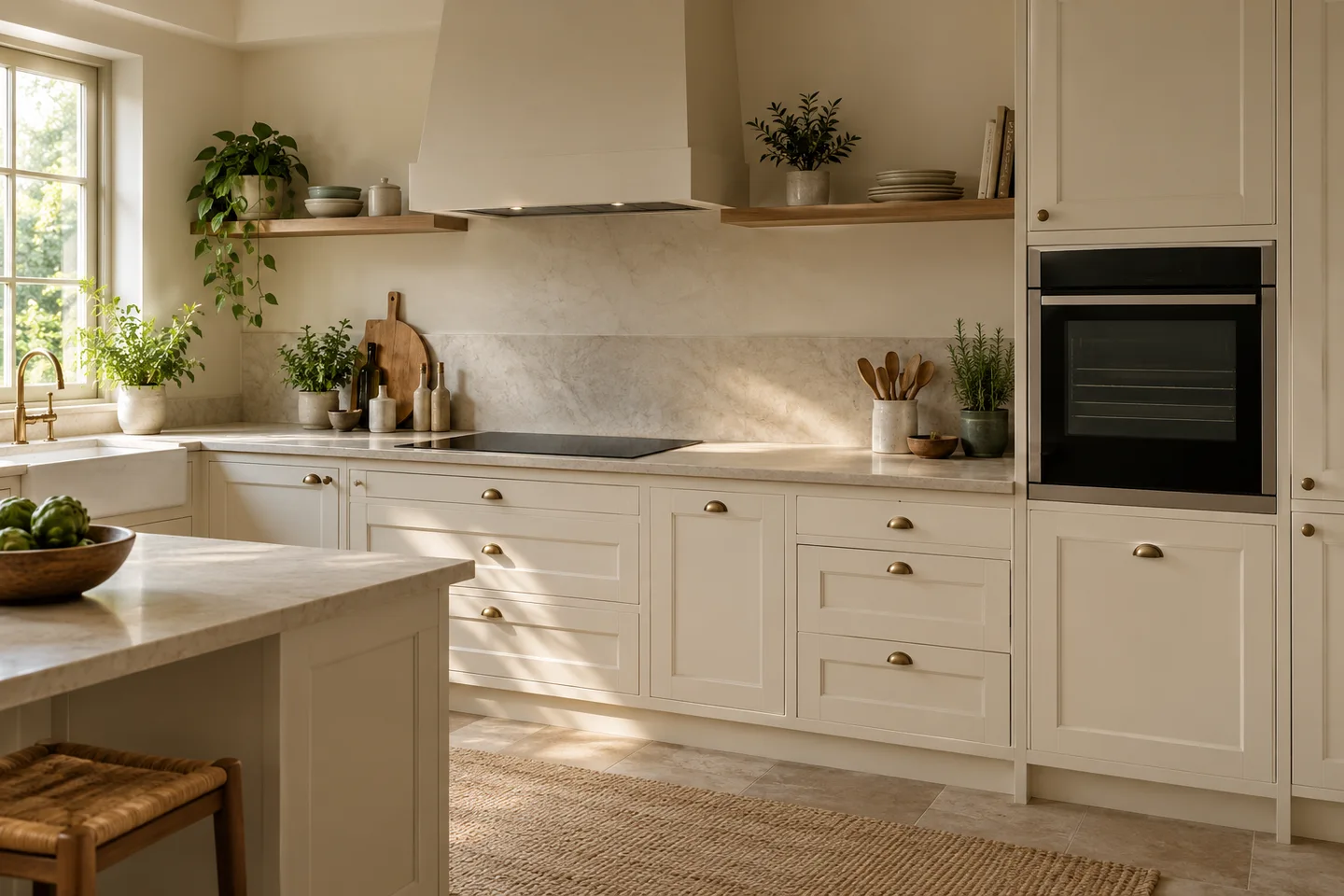
Separate Induction Cooktop and Wall Oven - For a Planned Remodel
We recommend a separate induction cooktop and electric wall oven for a kitchen redesign that benefits from independent cooking stations. The cooktop occupies a countertop cutout; the wall oven fits a cabinet opening and can often be installed at a more comfortable loading height.
Separate Cooktop and Wall Oven: Key Facts
| Attribute | What to know |
|---|---|
| Appliance layout | Two installed appliances in separate locations |
| Cooktop technology | Induction in our recommended configuration; gas or radiant alternatives exist |
| Oven | Separate electric wall oven, including single or double designs |
| Common cooktop widths | 30 and 36 inches; other sizes exist |
| Fit requirement | Exact counter cutout, underside clearances and oven cabinet opening |
| Connections | Each appliance's approved electrical supply and installation conditions |
| Best fit | Kitchen renovation or purpose-built cabinetry |
When Separate Appliances Make Sense
Separate appliances allow cooks to use the burners and oven in different parts of the kitchen. The benefit is room layout and accessibility, not a guaranteed performance improvement. Turning an existing range gap into separate cooking stations usually requires substantial cabinet and countertop work.
Limitations
- A range opening cannot simply be filled with a drop-in cooktop: a supported counter, suitable base cabinet and separate oven position are needed.
- The two appliances may need separate dedicated electrical circuits and coordinated installation.
- A cooktop's stated width does not establish its countertop cutout; even two nominal 30-inch cooktops may need different openings.
- Wall ovens still need clearance for doors, handles, ventilation and safe movement of hot dishes.
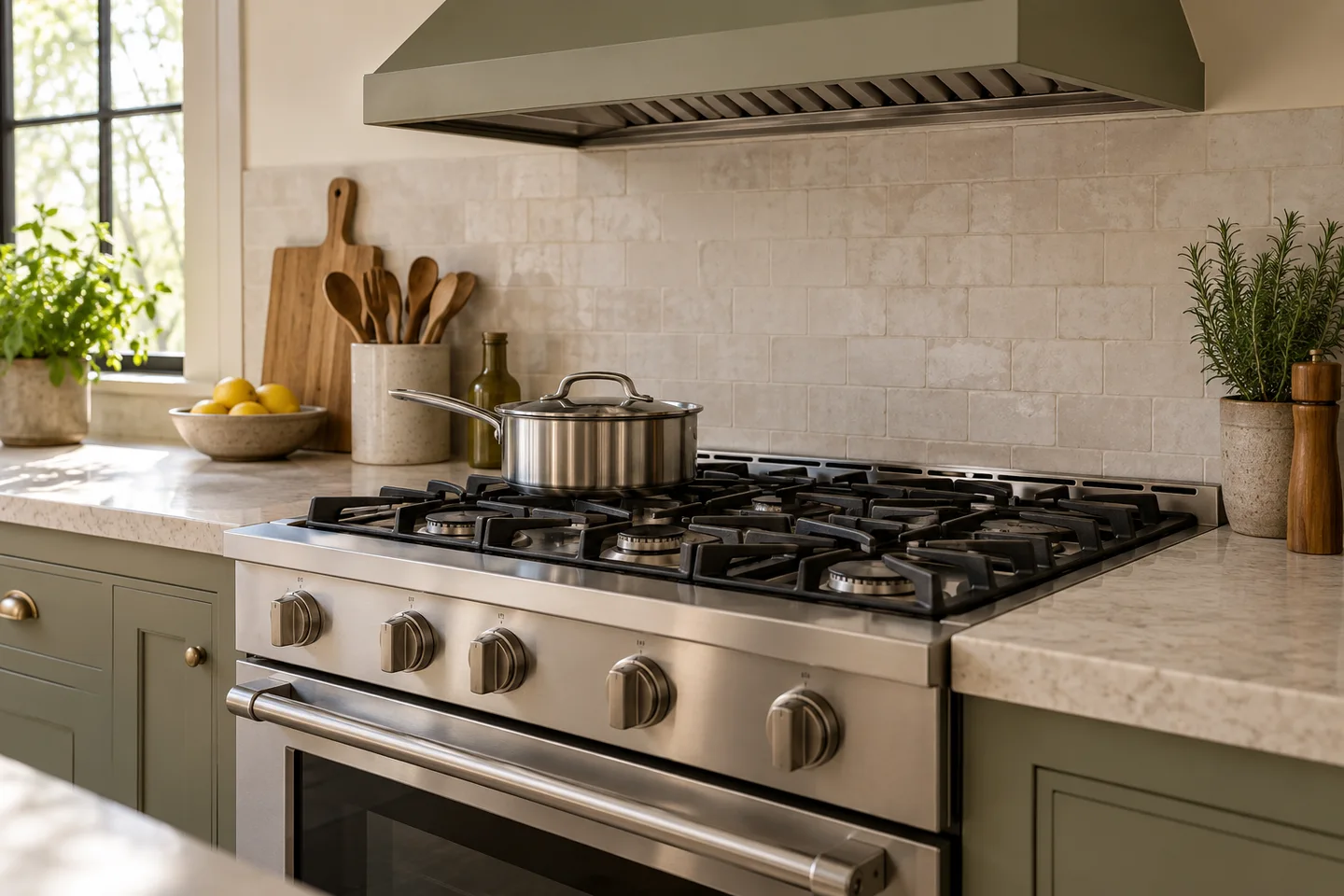
Gas Range - For an Existing Gas Connection and Flame Cooking
Gas burners respond immediately to flame adjustments and accept a broad range of cookware. We recommend considering a gas range where an approved gas supply already exists, cooking over a visible flame matters, and effective ventilation is possible. A typical all-gas range also has a gas oven, although oven performance varies by model.
Gas Range: Key Facts
| Attribute | What to know |
|---|---|
| Appliance layout | Gas cooktop and usually a gas oven in one unit |
| Cooktop fuel | Natural gas or propane in a specifically approved/converted model |
| Oven | Typically gas for an all-gas range |
| Common width | 30 inches; verify actual measurements |
| Cookware | No magnetic-base requirement |
| Utility connection | Gas supply and the electrical connection specified by the model's installation instructions |
| Best fit | A kitchen with existing gas service and effective exhaust to outdoors |
Benefits and Ventilation Tradeoffs
The visible flame gives immediate feedback for pan handling and burner adjustment. Gas combustion also releases nitrogen dioxide and other pollutants, and the Environmental Protection Agency recommends outdoor-vented exhaust over gas stoves. We favor electric cooking for a new installation when indoor combustion emissions are a priority.
Limitations
- Gas burners add combustion-related indoor pollutants; cooking food itself also generates particulate matter, so good ventilation matters for every fuel type.
- Open flames and hot grates create burn and cleaning considerations.
- Gas lines, shutoff access and propane conversion must match the installation instructions and applicable local requirements.
- A gas range is not necessarily cheaper to operate; local utility prices, efficiency and use matter.
Dual-Fuel Range - For Gas Burners With an Electric Oven
A dual-fuel range pairs a gas cooktop with an electric oven. We recommend it for cooks who specifically want both systems in one appliance, not as a default upgrade: a well-performing all-electric range may bake just as well.
Dual-Fuel Range: Key Facts
| Attribute | What to know |
|---|---|
| Appliance layout | Combined cooktop and oven |
| Cooktop fuel | Gas |
| Oven fuel | Electric in the conventional dual-fuel arrangement |
| Common width | Model-dependent; standard and larger formats exist |
| Cookware | No induction-magnet requirement |
| Utility connection | Gas plus model-specific electrical service suitable for the electric oven |
| Best fit | Remodels where both approved services are already planned |
When Dual-Fuel Makes Sense
Dual-fuel preserves flame cooking while using electricity for baking. The tradeoff is having to accommodate both gas and an appropriately rated electrical connection. Requirements depend on the model; the label "dual fuel" does not establish circuit size. Gas-burner combustion emissions remain.
Limitations
- Gas-combustion emissions remain because the burners use gas.
- Gas and electrical requirements can make conversion expensive.
- Paying more for the dual-fuel label does not establish more accurate baking or better reliability.
- Pro-style dimensions and hood requirements can complicate fit.
Range vs. Cooktop and Wall Oven: Which Layout Fits?
A range contains surface burners and at least one oven. A built-in cooktop contains only the surface cooking area and needs a separate oven for baking and roasting. A range typically suits an existing one-location installation; a separate cooktop and wall oven offer more freedom to place the cooking stations.
| Decision factor | Combined range | Cooktop + wall oven |
|---|---|---|
| Appliance count | One | Two |
| Cabinet arrangement | Usually occupies a range opening | Requires counter cutout and oven cabinet |
| Oven location | Below the burners | Can be placed at a selected approved height |
| Work zones | Shared location | Can be separated |
| Replacement complexity | Often lower when hookups and dimensions match | Higher when starting from a range gap |
| Design flexibility | More constrained by range location | Greater, subject to clearances and utilities |
| Most sensible scenario | Existing kitchen or smaller renovation | New kitchen, major remodel, accessibility priorities |
If the kitchen already has built-in openings, replacing those appliances can be simpler than converting the cabinets for a range.
Freestanding vs. Slide-In Ranges
Freestanding ranges often have finished sides and a back control panel; slide-in models commonly have front controls and a more integrated counter-level appearance. Some slide-in models have unfinished sides or different opening requirements. For a replacement, choose by the installation drawing and exposed-side finish, not the category name alone.
A Cooktop Is Not the Same as a Rangetop
A cooktop usually drops into a cutout in a continuous countertop. A rangetop typically replaces a deeper section at the front of the cabinetry and places controls on a front-facing panel. Choosing one instead of the other can alter cabinets, ventilation and installation cost; do not order by the advertised width alone.
Induction vs. Radiant Electric vs. Gas
Induction heats compatible cookware directly, radiant electric transfers heat through an element and glass surface, and gas heats cookware with a flame. Each has different implications for temperature response, cleaning, ventilation, and installation. The oven's performance must be evaluated separately.
| Criterion | Induction | Radiant electric | Gas |
|---|---|---|---|
| How heat reaches the pan | Magnetic field heats compatible cookware | Electric element heats glass and then cookware | Flame heats cookware |
| Response to power changes | Fast | Slower because of retained element/glass heat | Fast flame adjustment |
| Cookware constraint | Magnetic-compatible, stable base | Broad compatibility; flat bases preferred | Broad compatibility |
| Surface after use | Can remain hot from cookware | Remains hot from heating element | Grates and nearby surfaces become hot |
| Gas combustion emissions at the burner | No | No | Yes |
| Cleaning | Flat glass, protect against scratches | Flat glass, protect against cooked-on residue | Grates, burners and caps require cleaning |
| Utilities | Appropriate electrical circuit | Appropriate electrical circuit | Gas supply, usually electrical ignition |
| Our best-fit scenario | Performance-focused all-electric kitchen | Existing compatible electric setup, with installed quotes compared | Gas-ready kitchen with flame preference |
ENERGY STAR reports that certified electric cooking products are, on average, 18% more energy-efficient than standard models. Its criteria cover the electric cooking-top component and, for ranges, limit the oven's low-power-mode consumption. The figure does not establish an 18% saving for the entire range including active baking, or assess oven cooking evenness. Actual consumption varies with cooking habits. Electricity and gas rates, possible electrical upgrades, cookware, and oven usage also affect ownership costs.
What About Coil Electric?
Exposed-coil electric uses a heated metal coil in contact with the cookware. It can suit a low-cost purchase or an existing coil-range installation. We generally prefer the easier-to-wipe surface of radiant or induction models, but the coil option remains useful when price and compatibility decide the purchase.
Ventilation Matters Regardless of Fuel
Use a range hood that exhausts outdoors where feasible, especially with gas. Gas combustion adds pollutants including nitrogen dioxide, while frying and other cooking release particles even on electric appliances. The Environmental Protection Agency recommends using outdoor-vented exhaust during cooking, favoring back burners when practical, and leaving the hood running for 10-20 minutes afterward. A recirculating hood does not remove air from the home.
An island cooktop needs special planning for hood placement, duct routing and the effect on sightlines. Buyers should choose the hood and cooking surface together rather than discovering after countertop installation that effective exhaust is difficult or expensive. Specific ventilation requirements depend on the equipment, building and local codes.
Fit and Installation: Verify These Before Selecting a Model
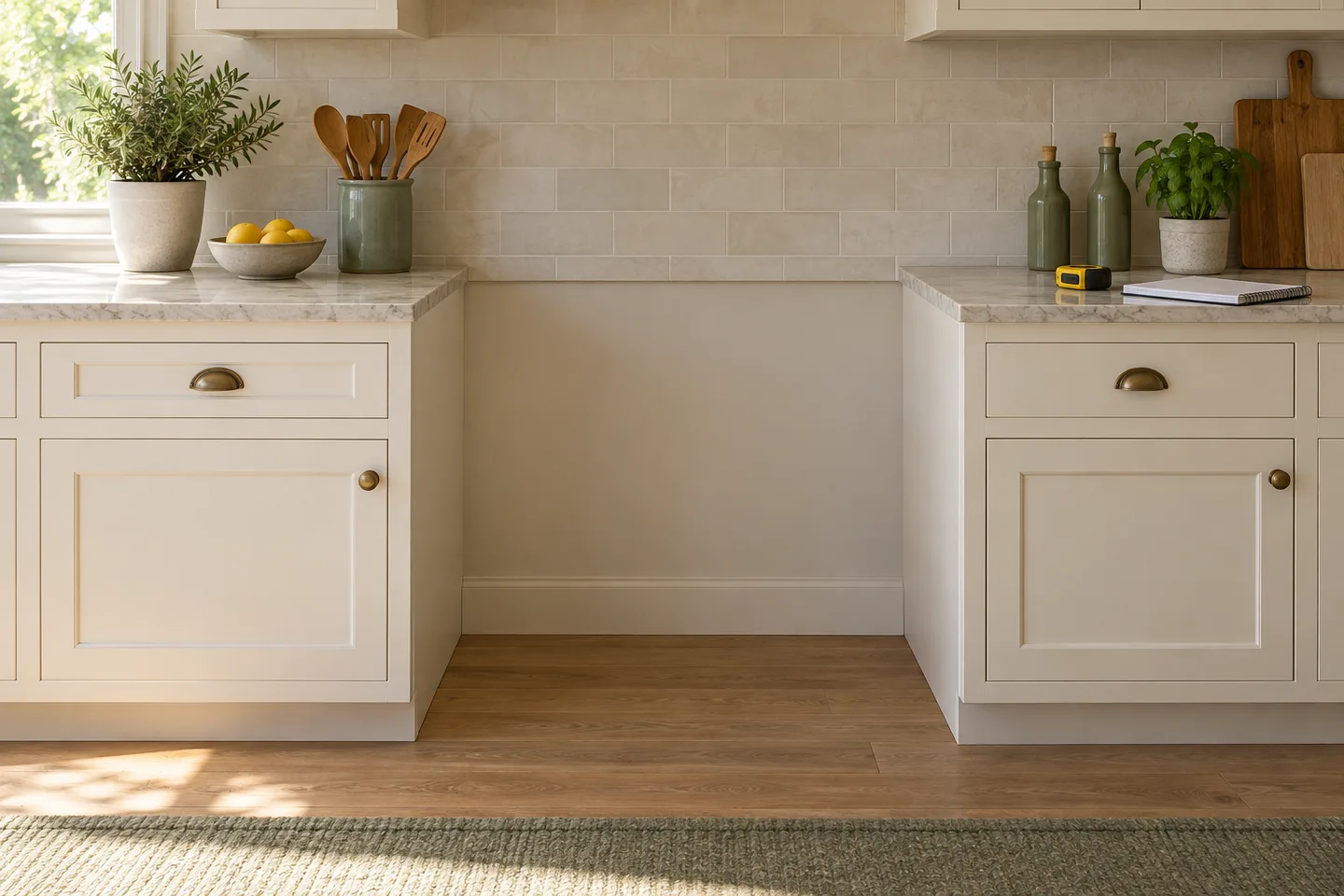
A nominal 30-inch appliance does not necessarily fit an existing 30-inch opening. Measure the kitchen and compare the full installation drawing, including the countertop cutout where applicable. Those dimensions can differ among models sold under the same nominal width.
- Opening width, depth and height: Measure the available range gap, counter depth and floor-to-counter height; account for trim, leveling feet, handles and the door when open.
- Countertop cutout: For built-in cooktops, record the exact cutout dimensions and underside clearances in the specific installation manual.
- Wall-oven cabinet: Verify cutout width, height, depth, support and the safe swing of the oven door.
- Electrical connection: Have a qualified installer check supply voltage, circuit capacity, receptacle or connection type, grounding, and placement. As an example for U.S. installations, GE's delivery guidance specifies 240-volt service for its electric ranges and a grounded 110/120-volt outlet for its gas ranges. These are examples from its delivery service, not universal wiring requirements; follow the selected model's installation manual.
- Gas connection: For gas or dual-fuel models, verify approved fuel type, shutoff placement, supply and any professional conversion requirements. Never improvise a natural-gas-to-propane conversion.
- Clearances and ventilation: Check sidewalls, cabinets above the appliance, backsplash, hood and any nearby combustible materials against the manufacturer's drawing and local requirements.
- Anti-tip protection: Ensure the prescribed anti-tip bracket is installed and engaged. The Consumer Product Safety Commission warns that unsecured freestanding ranges can tip and cause crushing or scalding injuries.
- Delivery path: Measure doorways, halls, turns, stairs and the route for moving out the old appliance.
If the installation needs a new circuit, gas work, or cabinet cutting, obtain a quote from the appropriate qualified professional before ordering.
What Should You Budget?
Compare the complete installed cost, not just the appliance price. Get quotes for the exact models and included installation work you are considering.
| Cost component | Why it can change the decision |
|---|---|
| Appliance price | Fuel type, oven format, width, feature set and promotions vary |
| Electrical work | A conversion may need a new dedicated circuit, panel evaluation or outlet work |
| Gas work | Connection, shutoff, approved conversion or line changes may be needed |
| Cabinets and countertop | Separate cooktop/wall-oven layouts may require custom openings |
| Ventilation | Ductwork and the right hood can materially affect a remodel budget |
| Cookware | Some pans may need replacement for induction |
| Delivery and removal | Local service charges, access and disposal vary |
| Warranty and service | Coverage, service availability and repair costs depend on the model |
Converting gas to induction or a range opening to separate appliances can require electrical, gas-line, cabinet, and countertop work. Get an itemized installation estimate using the selected model's specifications, and compare regular prices separately from temporary promotions.
Which Features Are Worth Paying For?
- Oven performance and usable cavity: Prioritize measured baking evenness, broiling and rack usability over advertised cubic feet alone. Look at the dishes and sheet pans you actually use.
- Burner size and spacing: Check whether your largest skillet and stockpot fit at the same time without touching controls or each other.
- Low-heat control: If sauces, chocolate or simmering matter, check model-specific low-setting performance, not just advertised maximum power.
- Bridge or expandable cooking zones: Useful if you regularly use a griddle or several pan sizes; unnecessary if your usual cookware fits standard zones. ENERGY STAR records these features by certified model.
- Physical controls vs. touch controls: Try them in person if possible. Check visibility, wet-hand use and accidental activation protection.
- Convection: Consider it if you frequently bake or roast on several racks, but judge the actual oven results rather than assuming a fan guarantees even cooking.
- Double ovens: Useful for two temperatures at once; check the lower cavity's accessibility and whether your largest bakeware fits.
- Connected features and air-fry labels: Secondary to fit, dependable heat control and serviceability unless you have a defined reason to use them.
The Comparisons That Most Often Decide the Purchase
Induction Range vs. Gas Range
We favor induction in a new kitchen with suitable electrical service, particularly when reducing combustion emissions indoors matters. Gas makes sense when an approved connection and outdoor exhaust already exist and the cook prefers open flame. Faster heat transfer does not guarantee lower installation or utility costs.
Induction Range vs. Radiant Electric Range
Induction is worth considering for frequent stovetop cooking when fast response matters and cookware is compatible. Radiant electric is a sensible alternative when it matches the existing connection and has a favorable complete installed quote. Both need the proper hookup, and the cooktop technology does not establish how evenly the oven bakes.
Freestanding Range vs. Slide-In Range
For a replacement, prioritize the model that fits the opening and has the appropriate finished sides. Slide-in ranges can provide front controls and a continuous-looking countertop line, but their depth and clearances must match the space. Nominally 30-inch models are not automatically interchangeable.
Range vs. Separate Cooktop and Wall Oven
A range fits most existing range openings with fewer layout changes. Separate units can make sense in a remodel designed for better traffic flow and oven access, but they do not automatically cook better and may add cabinet and installation costs.
Gas Range vs. Dual-Fuel Range
Choose dual-fuel when an electric oven is a specific requirement alongside gas burners. An all-gas range may be simpler where appropriate electrical service is absent. Compare oven performance by model; both configurations require attention to gas-burner ventilation.
Buying Checklist
Before paying, confirm every item that applies to your project:
- [ ] I know whether I need a combined range, a cooktop only, or a cooktop plus wall oven.
- [ ] I have measured the actual opening and compared it with the complete installation drawings.
- [ ] I have checked the oven door, handle, cabinet and hood clearances.
- [ ] A qualified installer has confirmed the correct electrical and/or gas supply.
- [ ] I have confirmed that the model is approved for natural gas or propane as applicable.
- [ ] The ventilation plan exhausts outdoors where feasible and meets applicable requirements.
- [ ] My largest pots fit the available burners and adjacent controls.
- [ ] If buying induction, my essential pots and pans pass the magnet/flat-base check.
- [ ] I have checked oven rack arrangements and the actual bakeware I use.
- [ ] I understand the control locks, hot-surface warnings and anti-tip installation.
- [ ] I have compared the full installed price, not only the appliance price.
- [ ] I have verified service availability, warranty documents and the return policy for the exact model.
Frequently Asked Questions
Is a range the same thing as a cooktop?
No. A range includes burners and an oven in one appliance. A cooktop is the surface cooking appliance alone and does not include an oven. A cooktop can be paired with a separate wall oven or used in a home that already has an oven elsewhere.
Should I buy a range or a cooktop and wall oven?
A range usually needs fewer layout changes when replacing an existing range. A separate cooktop and wall oven provide greater flexibility in a remodel, including independent work zones and a more accessible oven position.
What is the best fuel type for a new range?
We favor induction when the electrical connection and cookware are compatible. Radiant electric is a practical replacement for an existing electric range, while gas can suit a kitchen with an approved connection, effective exhaust, and a preference for flame cooking.
Is induction the same as a glass-top electric stove?
No. Both may have smooth glass-ceramic surfaces, but induction heats compatible cookware magnetically while radiant electric uses a hot element beneath the glass. Check the stated technology, not the appearance.
Does induction work with stainless steel cookware?
Sometimes. Magnetic stainless steel works with induction, but not every stainless steel pan has a compatible base. Check whether a magnet sticks firmly to the flat bottom, then confirm the cookware maker's guidance.
Can I use cast iron on induction?
Yes, compatible flat-bottomed cast iron typically works because it is magnetic. Lift heavy pans instead of sliding them to help protect the glass surface, and follow the cooktop and cookware makers' care instructions. The pan still becomes very hot.
Is an induction cooktop safe to touch immediately after cooking?
No. Hot cookware transfers heat to the glass, which can remain hot after cooking. Follow hot-surface warnings and keep children away from recently used zones.
Is gas cheaper to run than induction?
Not necessarily. Energy rates vary, and induction transfers heat to cookware more efficiently than gas in the comparisons cited by ENERGY STAR. Purchase price, installation work, and cooking habits also affect total cost.
Does a gas range need a vented hood?
Plan outdoor-vented exhaust wherever feasible. The Environmental Protection Agency recommends venting gas-stove emissions outdoors; a hood is useful with electric cooking as well because cooking food produces airborne particles. Follow the appliance instructions and applicable local rules.
Can I replace a gas range with an induction range?
Often, but it may be a renovation rather than a simple swap. A full-size induction range generally needs suitable electric-range service, and the old gas connection must be handled safely. Confirm the exact model's requirements and get a qualified installer's assessment before ordering.
Do I need a 240-volt connection for an electric range?
The required voltage, outlet or fixed connection, wiring, and circuit rating depend on the exact model. The 240-volt example in the installation checklist comes from GE's delivery guidance. Have a qualified installer verify your appliance's requirements and the available supply rather than judging the connection by appearance.
Can I use my existing 30-inch countertop cutout for a new 30-inch cooktop?
Not automatically. Nominal width is not the countertop cutout size. Even another 30-inch cooktop may need a different opening or underside clearance, so compare the installation diagrams first.
Are slide-in and freestanding ranges interchangeable?
Not always. Although both are commonly sold in 30-inch widths, their side finish, controls, height, depth and installation requirements can differ. A slide-in model intended to meet counters may leave an exposed side unfinished in an open-end installation. Verify the installation drawing and finished-side requirements.
Does a dual-fuel range use both gas and electricity?
Yes. A conventional dual-fuel range has gas burners and an electric oven. It needs an approved gas connection and the electrical service specified for that model.
Is a larger oven always better?
No. The useful question is whether the oven accommodates your sheet pans, roasting pans and multi-rack meals while maintaining reliable heat. Advertised cubic feet do not capture every aspect of usable oven space or performance. Compare interior measurements, rack positions and independent oven-test results.
What safety feature should not be skipped on a range?
The anti-tip bracket. Weight on an open oven door can tip an unsecured range and cause scalding or crushing injuries. Confirm that the prescribed bracket is engaged after installation or moving the appliance.
Final Verdict
Start with the kitchen's existing opening and utility connections. If those support an induction range, it is our preferred all-in-one upgrade for responsive cooking without gas-burner combustion. Consider radiant electric when it matches the existing connection and the complete installed quote favors it; gas and dual-fuel make sense when their specific fuel and oven preferences justify the required connections and ventilation. Separate appliances are most valuable when the remodel benefits from independent cooking locations or easier oven access.
Before ordering, match the installation drawing to the measurements, confirm the utility connections, and compare complete installed quotes.
How We Compared the Options
We considered kitchen layout, cooking control, ventilation, utility connections, oven needs, and total installed cost. Technical specifications come from manufacturers and public energy and safety guidance. Consumer Reports' independent tests inform the discussion of boiling, simmering, baking, broiling, and cleaning.
Sources
- Whirlpool - Range vs. Cooktop - Appliance types, layouts, and rangetops.
- ENERGY STAR - Electric Cooking Products - Induction, energy efficiency, and cookware.
- Department of Energy - Making the Switch to Induction - Induction heating and efficiency.
- Consumer Reports - Kitchen Range Buying Guide - Range styles and evaluation criteria.
- Environmental Protection Agency - Nitrogen Dioxide and Indoor Air - Gas combustion and ventilation.
- Environmental Protection Agency - Indoor Air Quality While Cooking - Exhaust recommendations.
- GE Appliances - Delivery and Installation Requirements - Gas, electric, and wall-oven connections.
- Whirlpool - Cooktop Dimensions - Appliance widths and counter cutouts.
- Consumer Product Safety Commission - Childproofing Your Home - Range anti-tip protection.
- GE Appliances - Monogram Amperage Guidance - Model-dependent electrical requirements.
- Consumer Reports - Induction Range Testing - Independent performance testing.
- Whirlpool - How Induction Cooktops Work - Induction, coil, and radiant heating.
- Whirlpool - Dual-Fuel Ranges - Gas burners and electric ovens.
- ENERGY STAR - Residential Electric Cooking Product Criteria - Certification scope and product features.
- Consumer Reports - Range Test Results - Independent range evaluation and performance discussion.